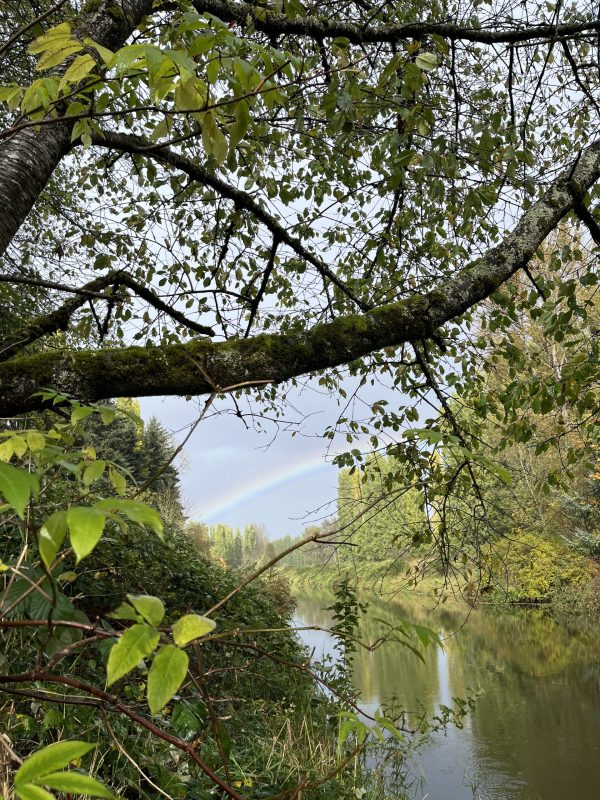
The Sammamish river experiences high water temperatures and low oxygen levels—both of which are a serious threat to the Sammamish populations of Chinook, Coho, and Sockeye salmon. Planting native trees along the banks of the river provides shade, cooling the waters flowing below. Biodiversity thrives where we steward healthy riparian habitats! Volunteer at Mid Sound’s Sammamish River restoration site to support salmon and other wildlife, including songbirds, Osprey, Eagles, Blue Herons, Beavers, River Otters, Bobcat, Salamanders, Deer, Black Bear and Pollinators.
The Sammamish River
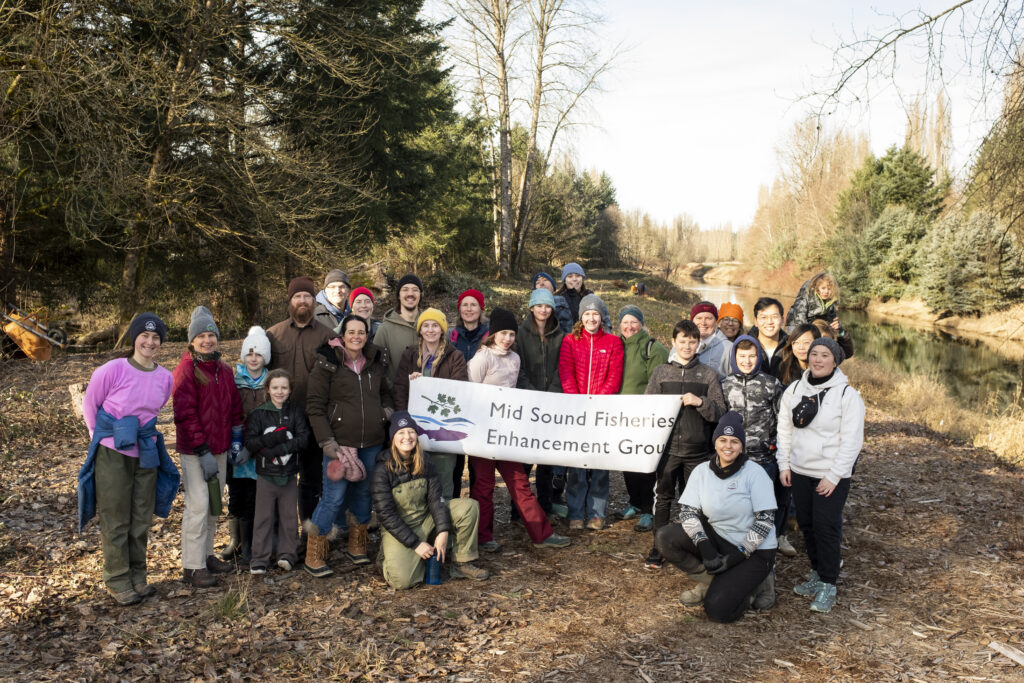
We’ve been running volunteer-led restoration on the Sammamish River for 6 years!
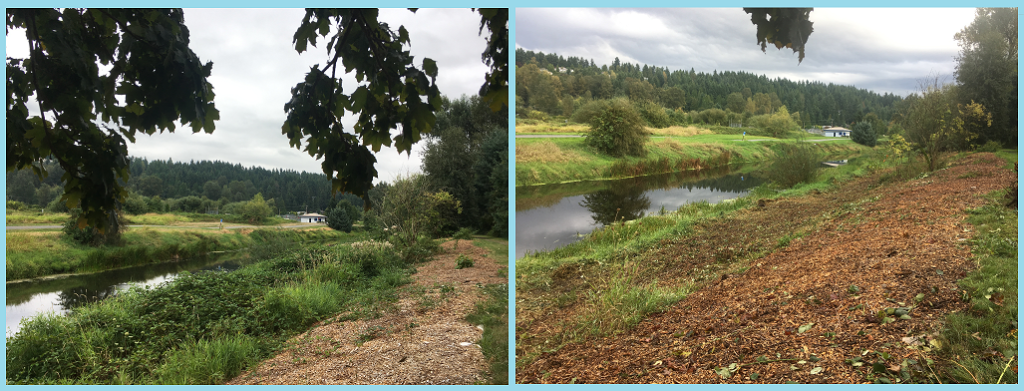
Since 2018, Mid Sound Fisheries and our dedicated volunteers have worked hard to restore 2 acres of riverbank. Where a thicket of non-native Himalayan Blackberry once towered above head height, hundreds of native trees and shrubs now grow.
Overtime, these plants will establish riparian buffer habitat crucial for the Sammamish River’s health and salmon. Trees will grow tall and their canopy will shade and cool the river, their roots will stabilize the shoreline and filter runoff to keep the river clean.
But we’re not done yet! Currently we are working with King County Parks and volunteers to remove more invasive blackberries from a 600 foot stretch of the downstream riverbank. We will be hosting planting events in October – April 2025. If you would like to join our volunteer events, please see upcoming opportunities below.
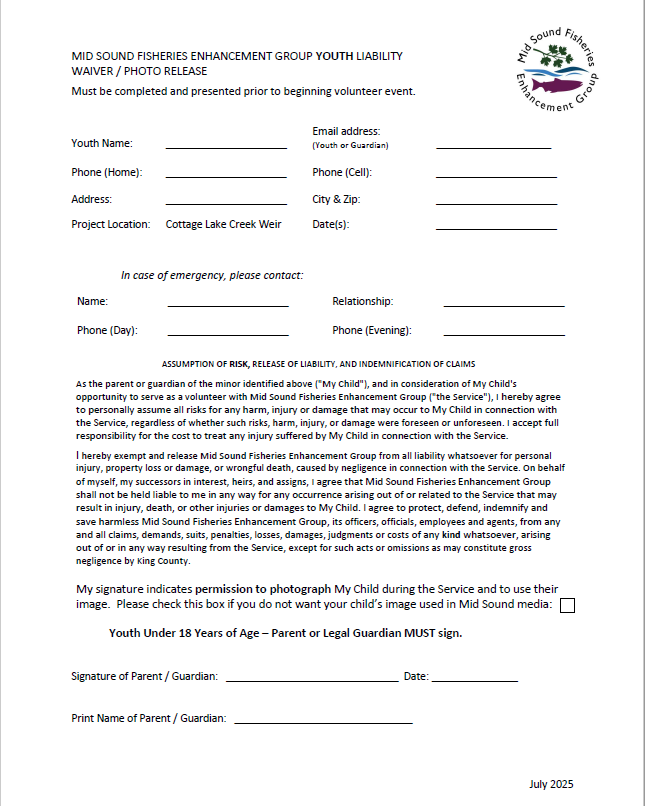
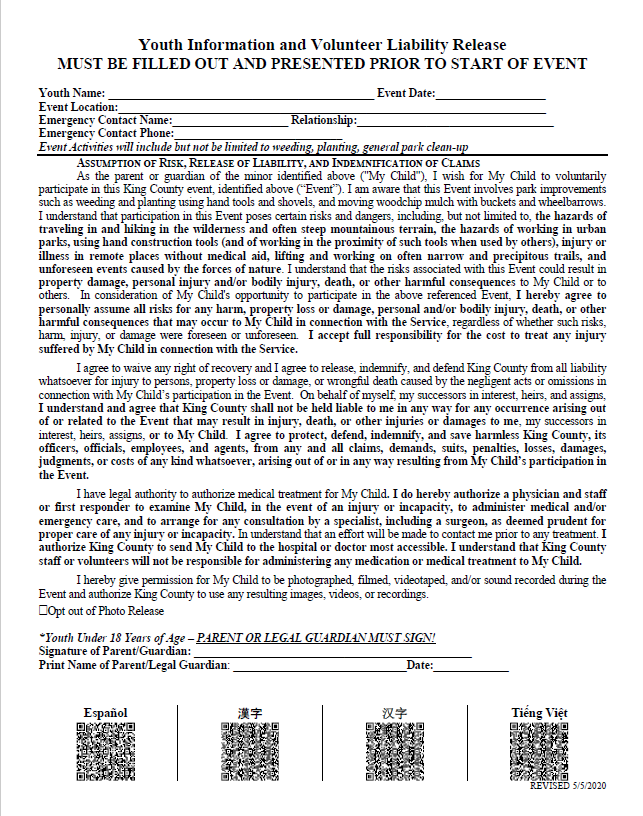
If you are under 18 years old are are volunteering without your parent/ guardian – you need to print and have your parent/ guardian sign both of the forms below. Please bring the printed and signed forms to the volunteer event and give them to the staff member running the event. You only need to complete this process once every year.
This project has had funding provided by King County Wastewater Treatment Division through the Waterworks Program, King County Flood Control District’s Cooperative Watershed Grants Program, and Washington State’s Recreation and Conservation Office’s Salmon Recovery Funding Board.
This project has been made possible with the support of King County Councilmember Claudia Balducci, from the Snoqualmie Tribe, and plants have been provided by Whale Scout.